Potentia Public Policy Institute
We advance equitable public policies that build stronger support systems across the lifespan, promoting optimal health, well-being, and quality of life for individuals with disabilities.
Strategic Value
"Fiscally responsible, and results-driven systemic change."
Empowering Stakeholders Across the Continuum
The Challenge & The Mission
The public policy landscape surrounding disability services is intricate. Finding the balance between high-quality support structures, Medicaid financing compliance, and long-term sustainability is a monumental task for any organization or government entity.
Potentia provides independent research, targeted systems-change strategies, and specialized training to public and private organizations. We empower you to navigate these complexities and drive transformative, sustainable results.
True reform begins with actionable intelligence.
What We Offer
Actionable intelligence and targeted assistance for policymakers and advocacy organizations.
Utilizing the highly effective Brick Method™ created by John Villegas-Grubbs, our specialists strictly align state funding with service standards to ensure financial sustainability and high-quality outcomes.
Financial StrategyWe break down complex public policy, state regulations, and pending legislation, delivering clear, evidence-based options for reform to advocacy organizations and state governments.
ResearchOur Solution Specialists provide hands-on training to organizational teams, interdisciplinary professionals, individuals with disabilities, and their families, ensuring systemic changes take root.
Education
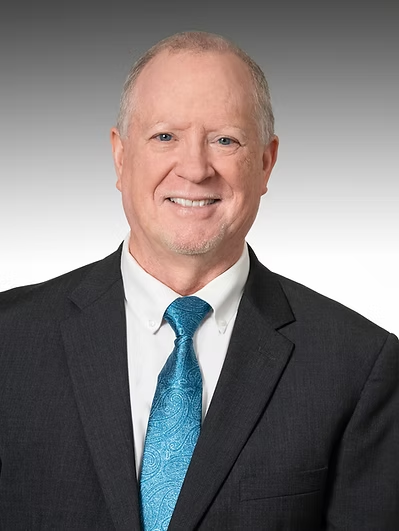
Leadership Spotlight
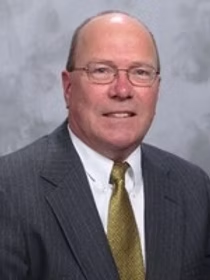
Board President & Lead Solutions Specialist
Thomas Cook brings unparalleled expertise to the Potentia Public Policy Institute. His distinguished background spans direct support, operational management, and specialized policy consulting for individuals with intellectual and developmental disabilities (I/DD).
During his career, Thomas has helped shape legislation resulting in $100M+ in combined state and federal funding for I/DD services, increasing the Delaware state I/DD agency's budget by 60%; worked with legislators, state agencies, and provider networks to improve access to addiction treatment and community-based services for people with disabilities; and designed an innovative approach to support home ownership for people with disabilities, among his other accomplishments.
Get In Touch
Ready to explore how Potentia can empower your organization or state agency to enact meaningful policy changes? Reach out to our team to begin the conversation.
Potentia Public Policy Institute
Guiding evidence-based policy and transformative systemic change with decades of combined experience in the public policy and human services sectors.
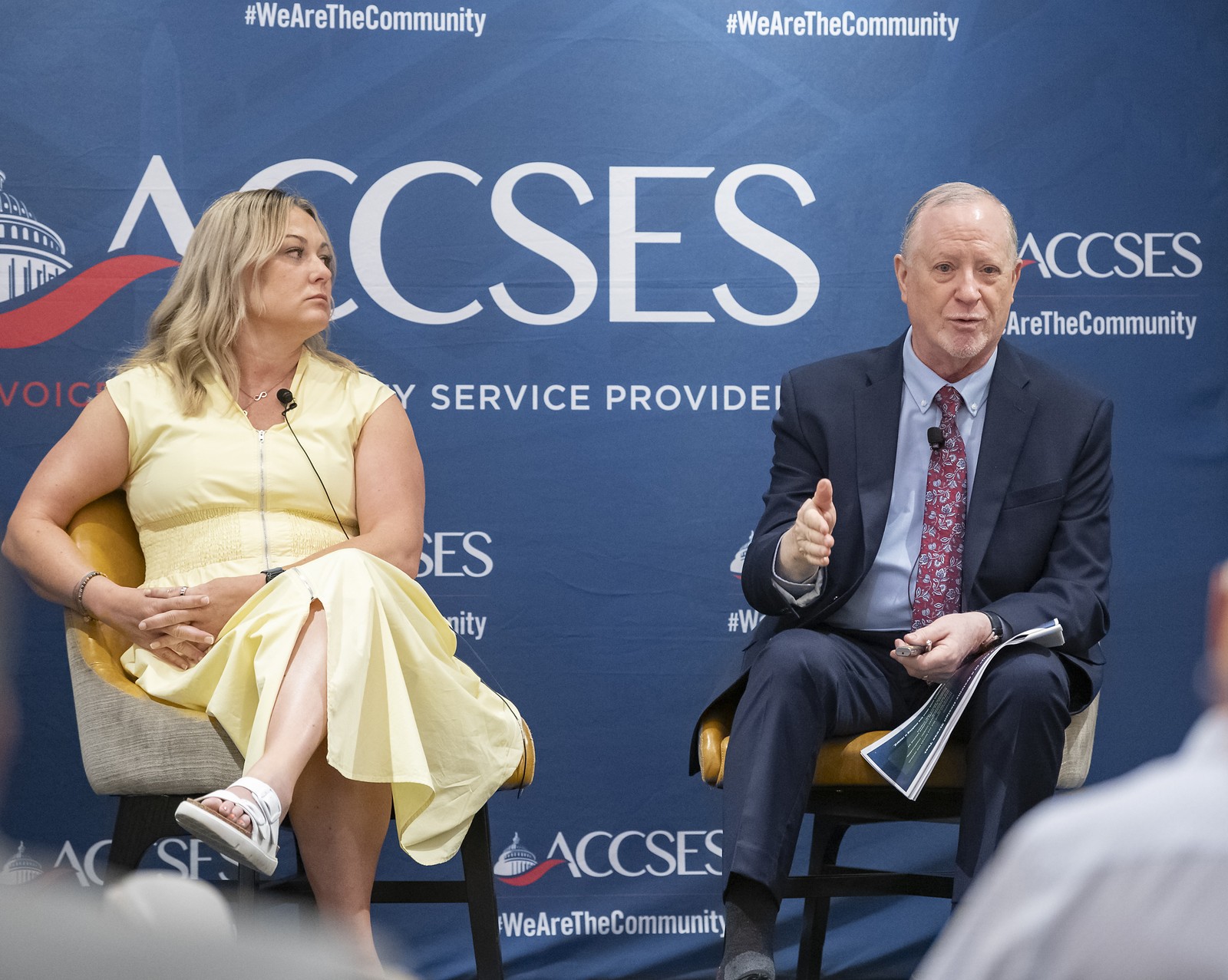
Board President & Lead Solutions Specialist
Thomas Cook has worked in direct support, operational, policy/design, and consulting roles in services for people with disabilities. He previously served as the executive director of the Ability Network of Delaware, successfully advocating for vital legislative funding.
His deep expertise in Medicaid rate-setting, systems-change implementation, and independent research empowers organizations across the nation to adopt fiscally responsible, high-impact strategies.
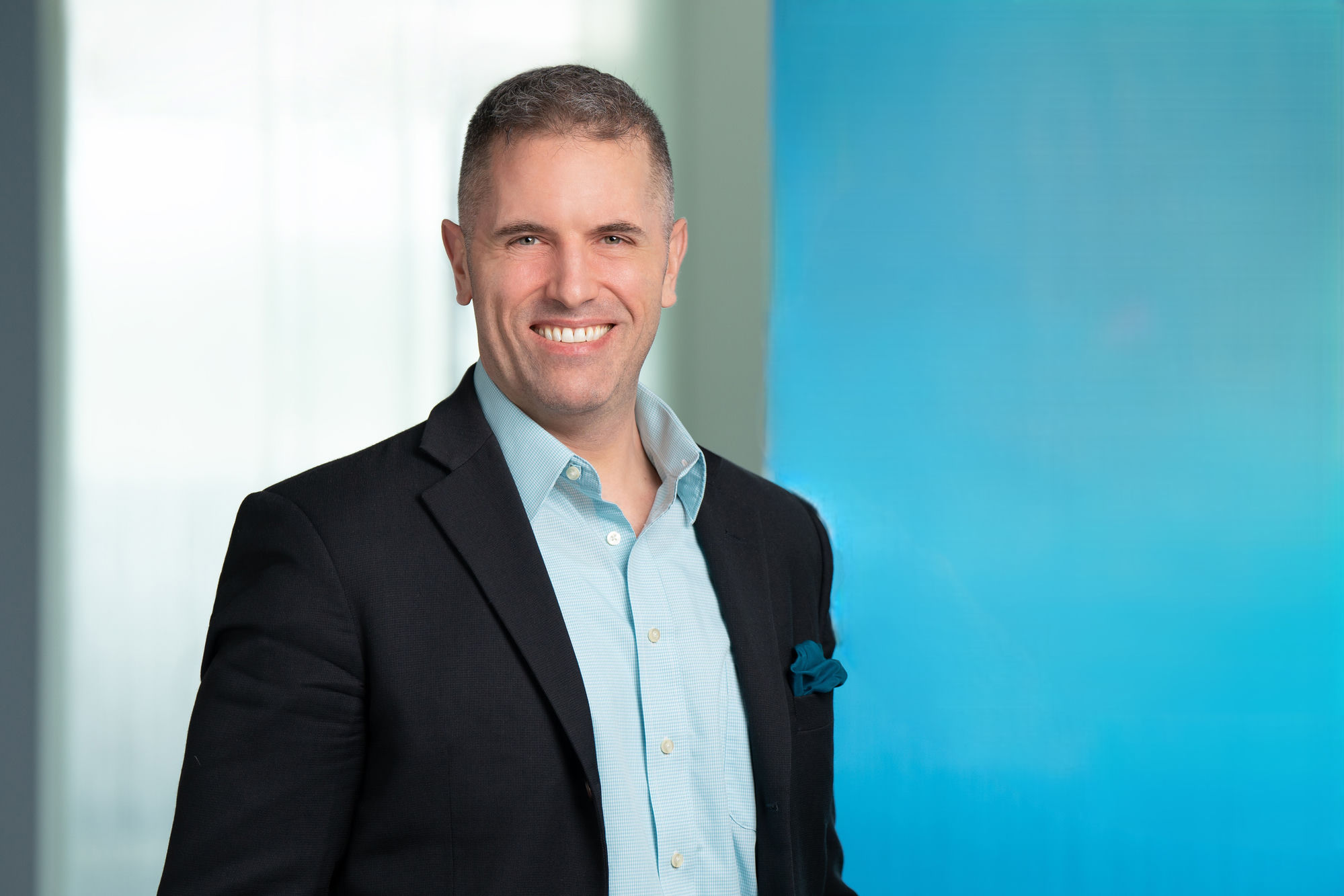
Board Member — Behavioral Support & IDD Consultation
With over 30 years of experience in employment, workforce development, and advocacy for people with disabilities, John is a strategic thinker, skilled networker, and proven community bridge builder committed to not-for-profit transformation and systemic policy change.
John specializes in behavioral support consultation and individualized service design for adults with intellectual and developmental disabilities (IDD), with particular expertise in community integration and deinstitutionalization transition planning — providing consultation to organizations across the United States and Canada.
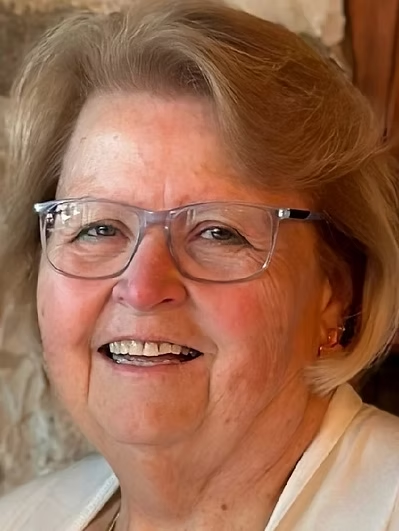
Board Member — Workforce Development & Disability Employment
Patricia brings more than 30 years of hands-on expertise in employment advocacy, workforce skill training, and systems-change leadership for people with disabilities. A strategic thinker and accomplished networker, she has cultivated deep connections with businesses, technology companies, and national and state policy leaders.
Her work centers on forging innovative pathways to employment — partnering with disability rehabilitation providers, educators, and workforce development teams to ensure individuals with disabilities are active, employed, and fully engaged in the workforce.
Potentia Public Policy Institute
Hands-on experts who deliver Potentia's training, technical assistance, and consultation services directly to organizations, interdisciplinary teams, and families.
Senior Consultant
Roger is a seasoned policy analyst and Medicaid strategy expert with more than seven years of leadership across JVGA and Associates and Deshaies Consulting. His work focuses on driving impactful social service transformation through evidence-based policy analysis, streamlined processes, and sustainable organizational growth.
Known for his ability to cultivate lasting partnerships and realign organizational focus, Roger ensures that complex policy initiatives are transitioned effectively — delivering long-term operational improvements for the agencies and communities he serves.
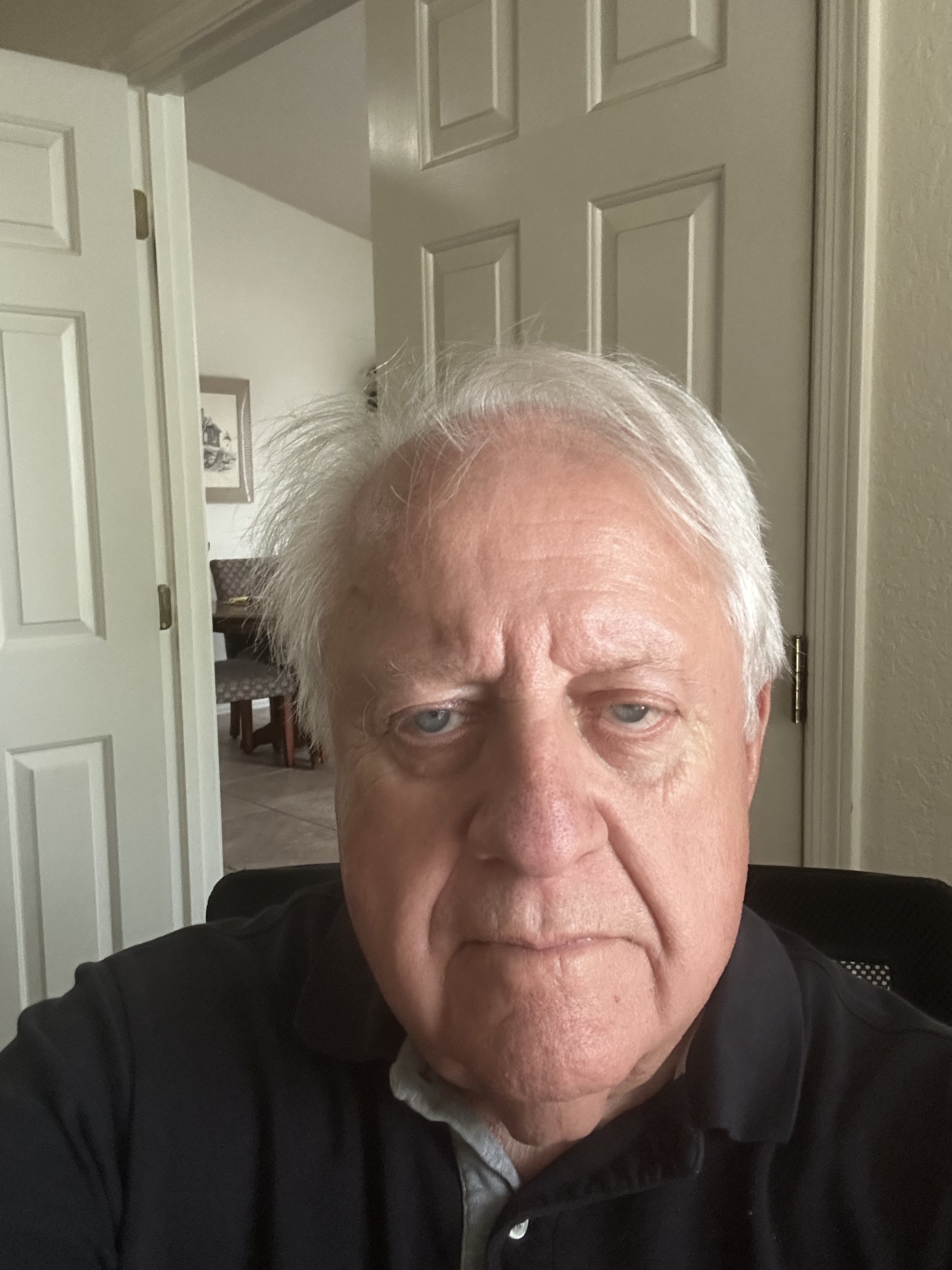
Solutions Specialist
Steve Kashdan was born and raised in Brooklyn, NY, and has lived in Buffalo, NY, Washington, DC, Massachusetts, New Hampshire, South Carolina, and Wisconsin.
Steve earned an M.A. in Education and Human Development from The George Washington University (1980), with a concentration in Rehabilitation Counseling. Steve has worked in the helping professions for over 45 years. In that time, he has worked at all levels of the helping system, including providing direct support to vulnerable populations, working both in institutional settings, such as an acute psychiatric unit, and in multiple community settings.
Steve has worked in day and residential programs for people with disabilities, and with governmental bodies in the development of programs to integrate vulnerable populations into community life.
After leaving his role overseeing disability services, Steve worked as a college instructor at Trident Technical College in Charleston, South Carolina, teaching courses geared towards training future helpers. He has worked mostly with non-traditional students, working to help them attain their Associate of Applied Science (AAS) Degree in Human Services. Since returning to Wisconsin, Steve has continued to work as an adjunct instructor in the Applied Science Degree Program, providing remote instruction to students seeking an AAS degree.
While he was teaching classes at Trident, Steve served on the board of the National Organization for Human Services (NOHS), holding multiple Board positions, and was subsequently employed by NOHS as their Managing Director for two years.
Steve currently teaches fitness classes at two local YMCAs in Northeast Wisconsin (Fox Valley and Oshkosh). He also teaches meditation and leads groups in Guided Meditation.
In his freelance writing, Steve reflects on his experiences as a caregiver, drawing from the time he and his wife cared for his elderly mother in their home until her death in November 2024. He has begun to write poetry and continues his own personal spiritual quest.
Steve has a deep belief in the human spirit and its innate striving for community, peace, and goodness, and engages in activities that support that quest.
Potentia Public Policy Institute
A quick-reference overview of Potentia's public policy, workforce development, organizational strategy, and professional training services.
If the document above doesn't display in your browser, you can download it directly.
Download PDF Contact UsPotentia Public Policy Institute
A train-the-trainer certification workshop that equips organizations serving people with intellectual and developmental disabilities to build lasting cultures of safety, ethics, and accountability.
Why It Matters
Across the country, abuse and neglect in I/DD services reflect systemic weaknesses in prevention and reporting, not isolated incidents. A joint federal review found that group homes failed to report a majority of critical incidents to law enforcement or state agencies as required. A 2018 FiveThirtyEight investigation identified at least 2,400 allegations of abuse and neglect across more than 2,000 unlicensed California adult day programs, and licensed facilities have been repeatedly cited under Title 22 for personal-rights violations, supervision failures, and failure to report.
Once harm occurs, organizations face steep consequences: multi-million-dollar verdicts, insurance premium increases of 25% to 100% or more, reputational damage, and regulatory scrutiny. Prevention — not reaction — is the only strategy that protects the people served and stabilizes the organization.
Clear ethical standards, practical guidance for boundary-setting, and tools to recognize early warning signs of abuse or neglect, delivered as ongoing, scenario-based training rather than a one-time compliance exercise.
Guidance on staff-to-client ratios, monitoring high-risk situations such as transportation and personal care, and building regular performance and compliance reviews into daily operations.
Clear escalation pathways and a culture that encourages staff to report concerns without fear of retaliation, so warning signs surface before harm occurs.
The Certification
Sponsored by the Potentia Public Policy Institute, this certification workshop equips organizations with internal trainers who can sustain prevention efforts, embed ethical decision-making into daily practice, and strengthen organizational culture around safety and accountability. Participants train using Potentia's Preventing the Maltreatment of Vulnerable Individuals employee training booklet (California Edition), covering mandated reporting requirements, recognizing abuse, neglect, mistreatment, and financial abuse, and building program-level abuse prevention plans.
Support Our Work
Your gift helps us advance evidence-based disability policy, Medicaid rate-setting reform, and abuse-prevention training nationwide.
Potentia Public Policy Institute, Inc. is recognized by the IRS as tax-exempt under Internal Revenue Code Section 501(c)(3) (EIN 41-5284632), effective February 19, 2026. Potentia is classified as a public charity, and contributions are tax-deductible to the extent allowed by law under IRC Section 170.
Ways to Give
Donate by Credit Card
Donate by Credit Card (Coming Soon)Online giving is being set up. To make a gift today, please contact us directly.